Sports
TP Hotel Družba has a sports complex that offers excellent conditions for sports training, not only for tennis players but also for various professional and amateur athletes.
The following are available:
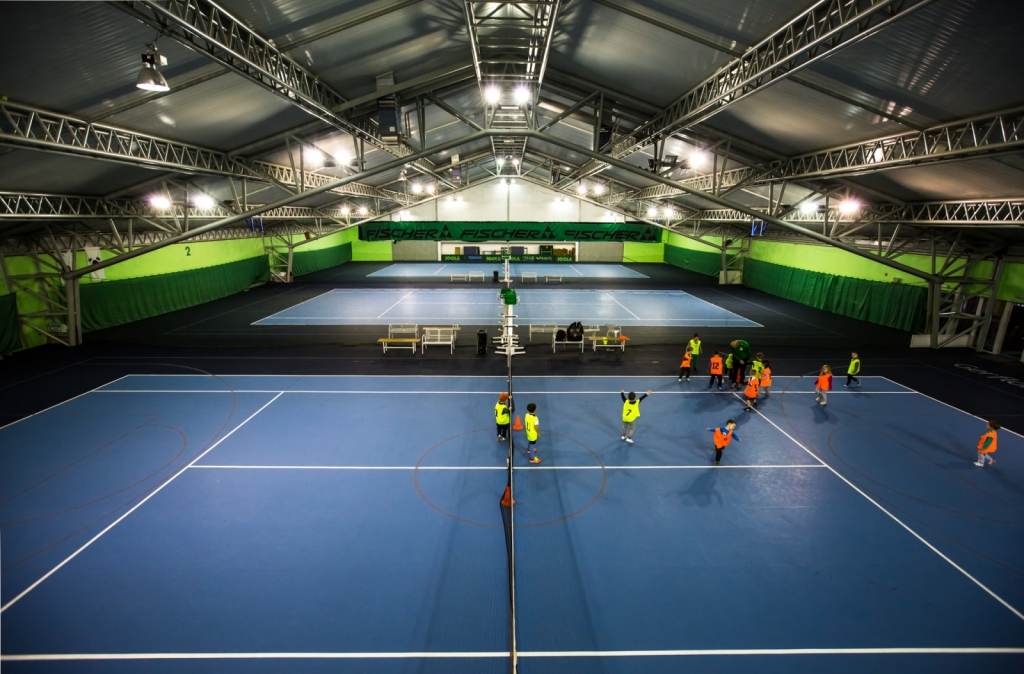
- 3 indoor tennis courts with Taraflex surfaces
- Basketball courts (in the tennis hall)
- Badminton
- Table Tennis
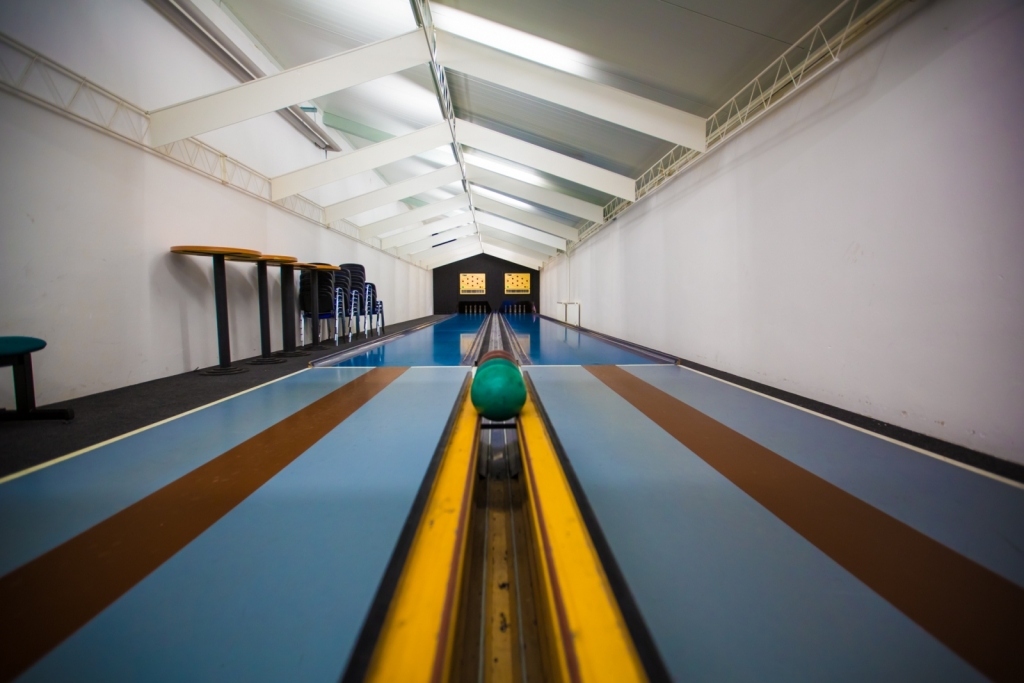
- Bowling alleys with 2 lanes
Price List for Sports Facilities
Tennis
| Monday–Friday | Until 1:00 p.m., the price is 21 EUR per hour per court ; after 1:00 p.m., the price is 24 EUR per hour per court |
| Saturday – Sunday | All day: 21 EUR per hour per court |
Soccer / Football
| Soccer / Football | 28 EUR per hour |
Basketball Court / Volleyball Court
| Basketball Court / Volleyball Court | 28 EUR per hour |
Skittles
| Skittles | 10 EUR per lane per hour |
Billiards
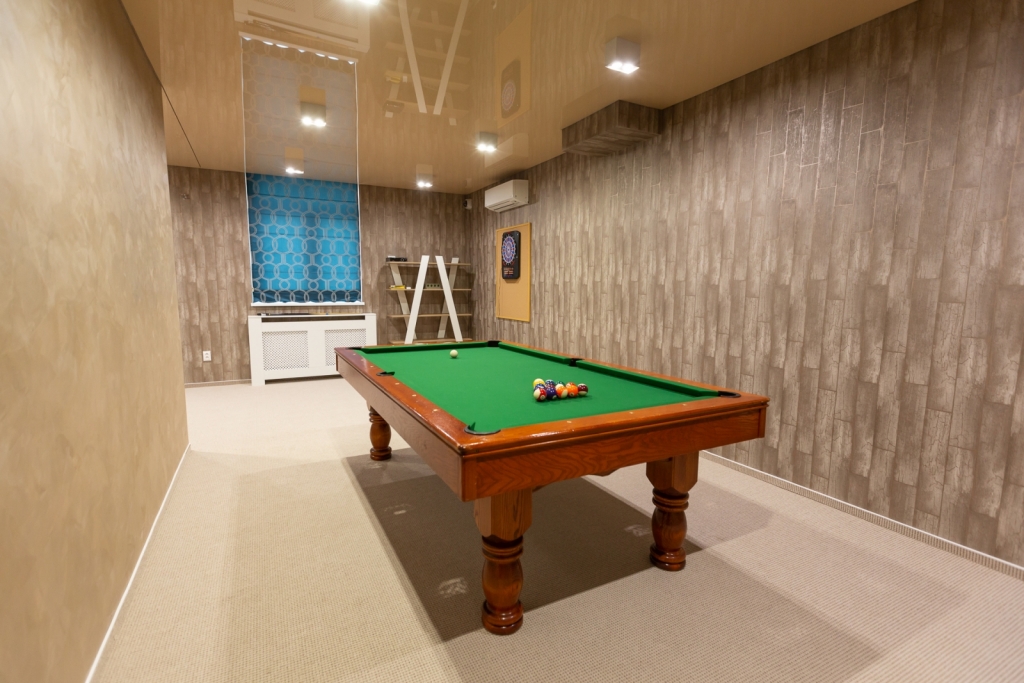
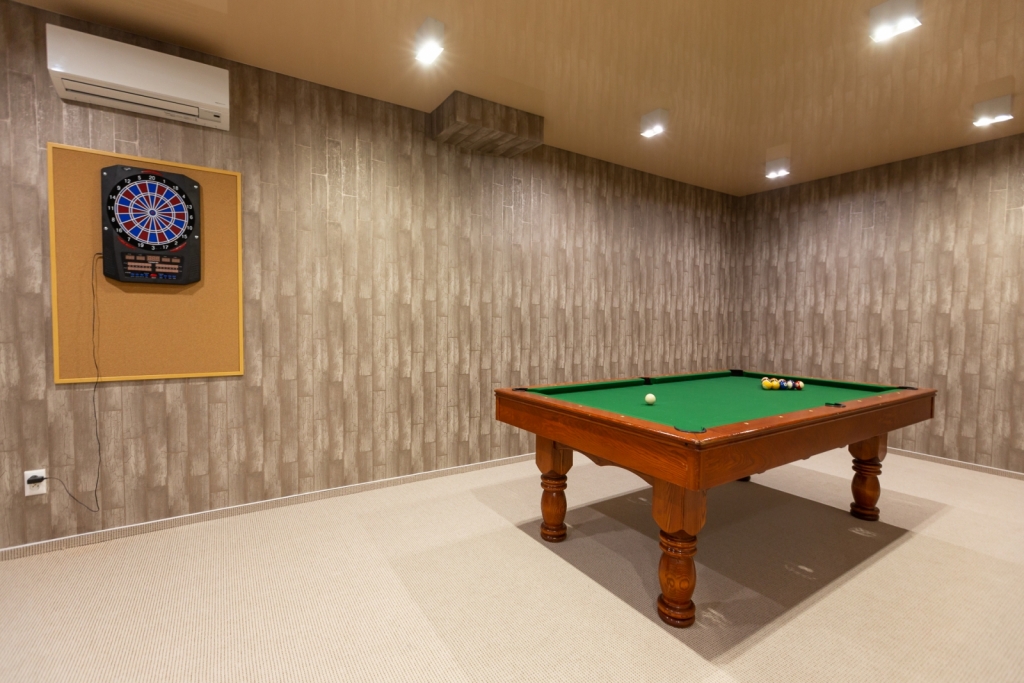
| Billiards | 10 EUR per hour |
Bike Rental
| 1–6 hours. | 6–24 hours. | |
| Adult | 7 EUR per hour | 12 EUR per hour |
| Child (ages 4–15) | 4 EUR per hour | 8 EUR per hour |
Delayed return within 1 hour: 1 EUR
. Delayed returns of more than 1 hour will be charged according to the rate for the next time interval.
Bike Rental - Packages
| 1–6 hours. | 6–24 hours. | |
| Two adults + one child (2+1) | 15 EUR per hour | 20 EUR per hour |
| Two adults + one child (2+2) | 20 EUR per hour | 25 EUR per hour |
| Two adults | 10 EUR per hour | 15 EUR per hour |
Note:
- Prices include VAT
- The price also includes helmet rental
- Each rented bike comes with a bike lock and a key
Paddleboard Rental
| Paddleboard Rental | 15.00 EUR / 1 hour 30.00 EUR / 3 hours |
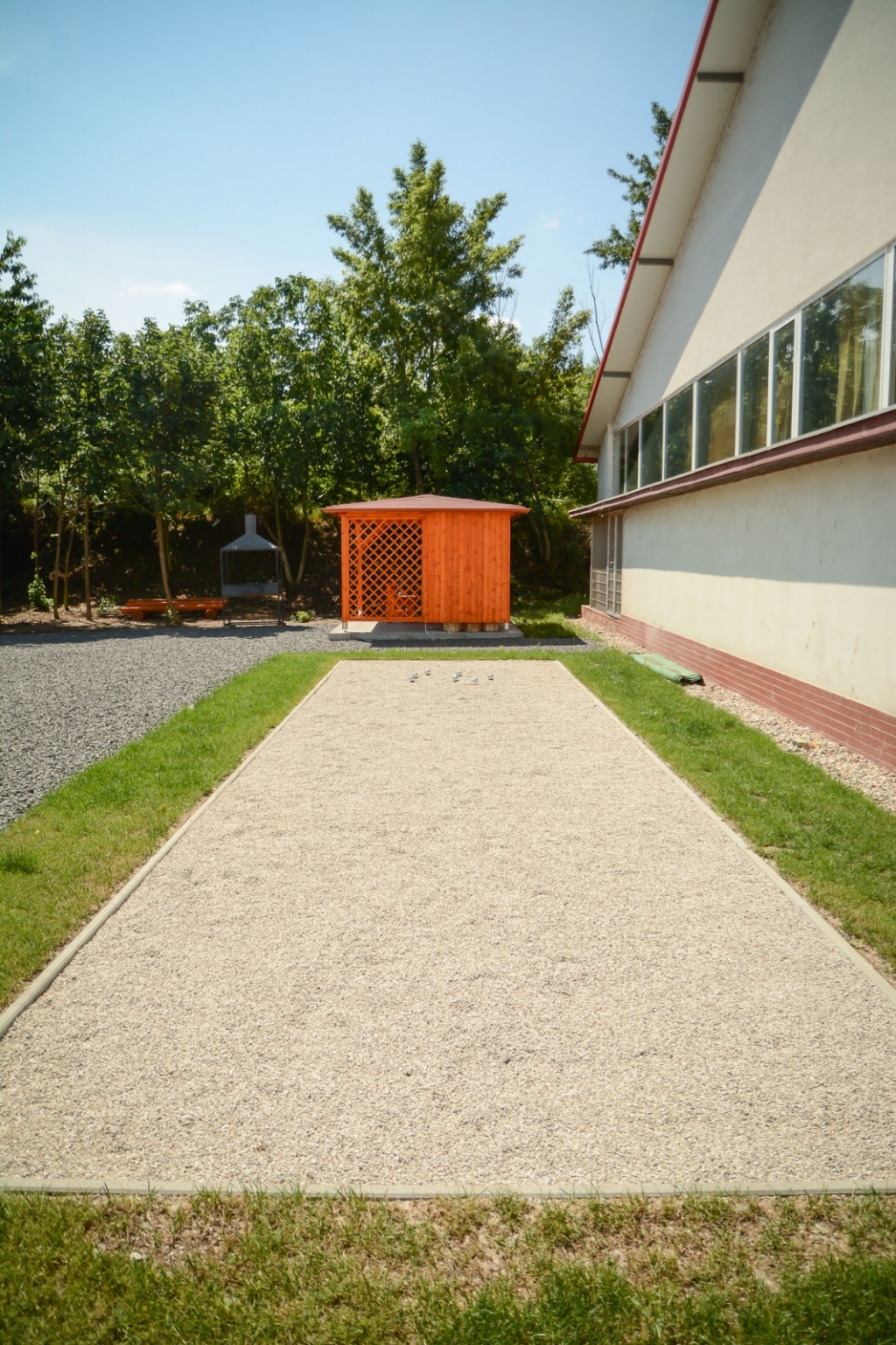
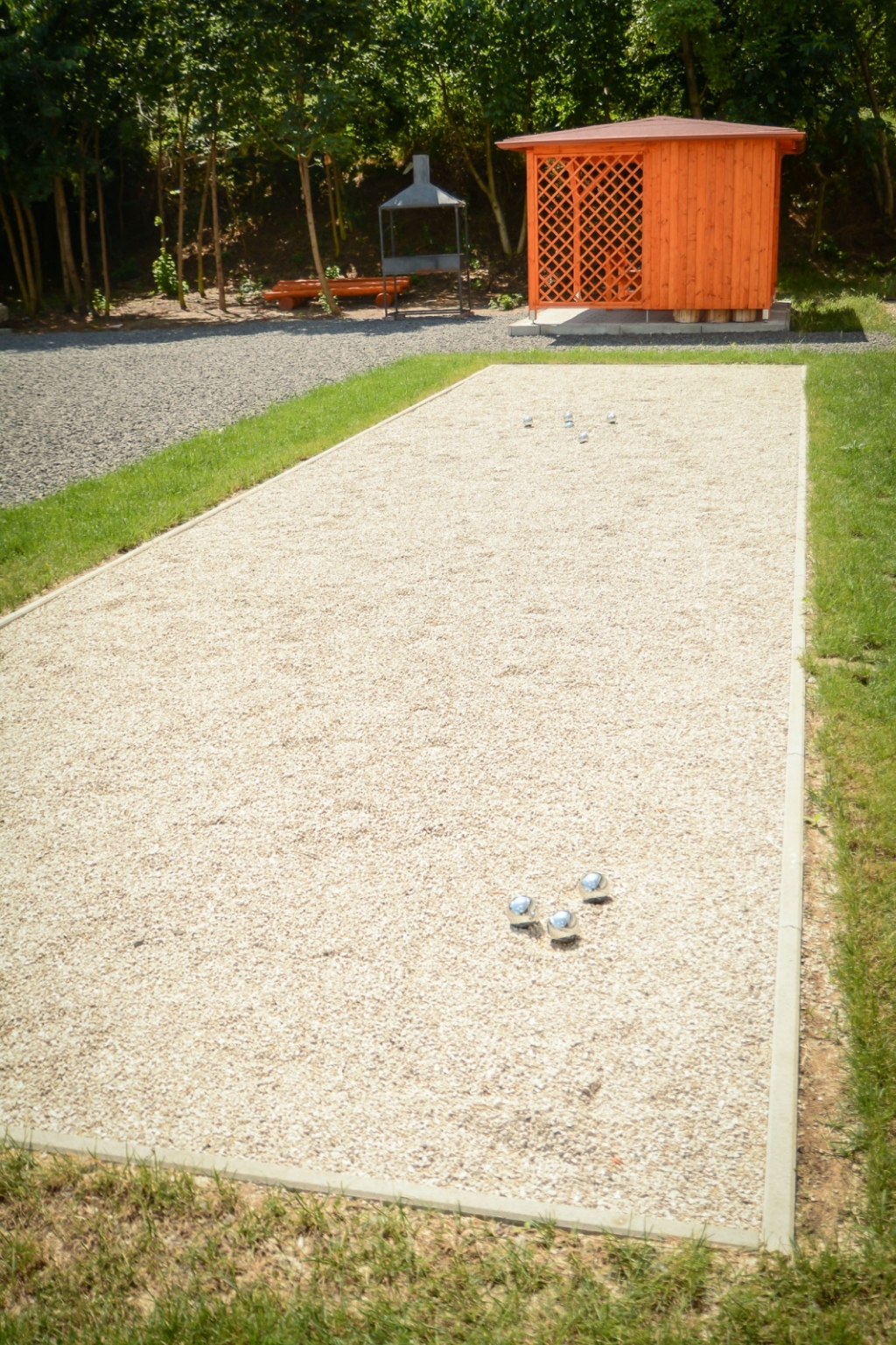
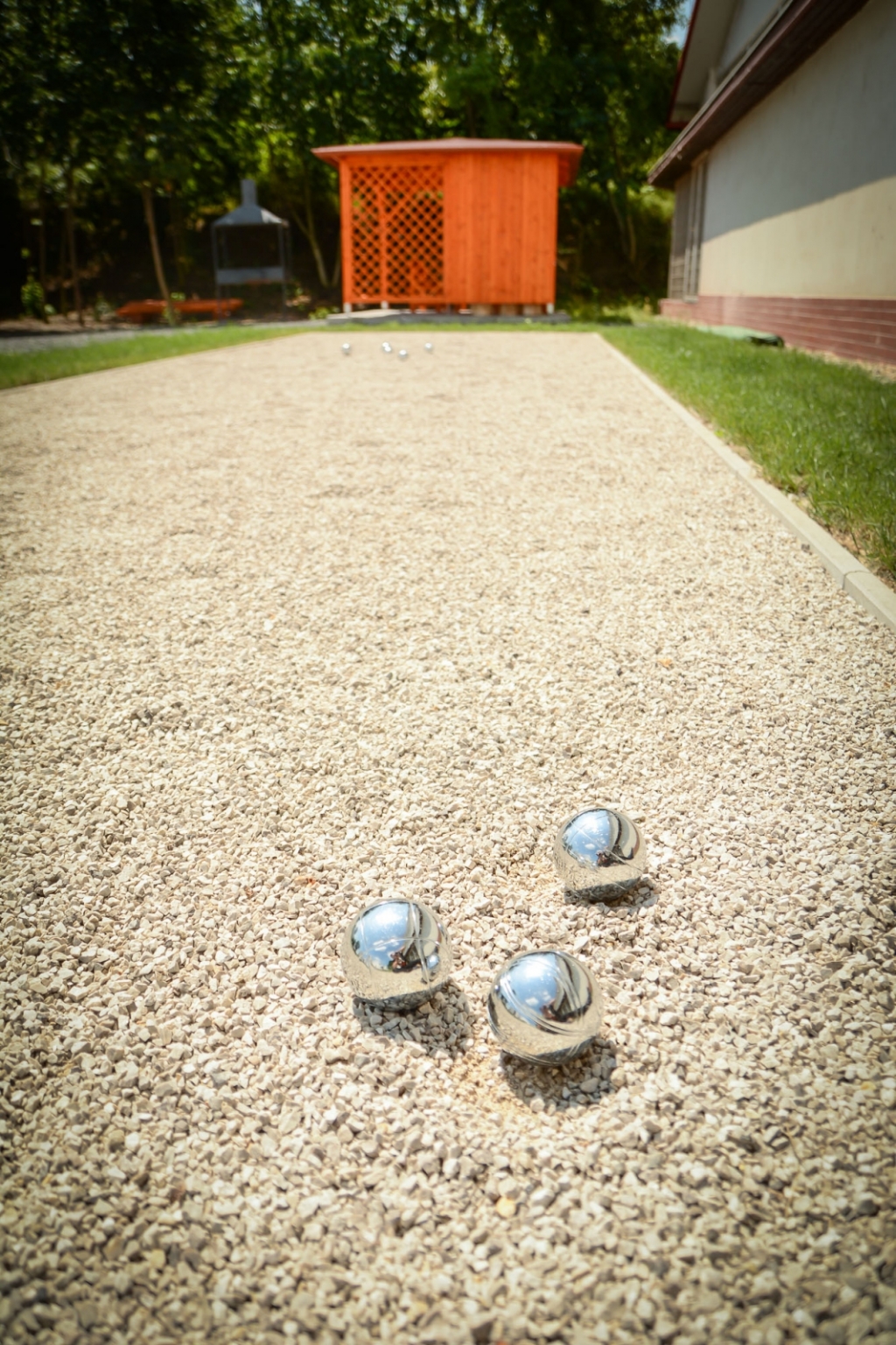
Rental of a petanque court
| Playground Rental Price | 10.00 EUR per hour, including a set of 2 x 6 balls |
Petanque Game Rules
Petanque is played with steel balls and a wooden ball called a colander or piggy bank. The balls are thrown from inside a circle with a diameter of about 50 cm; the circle must be at least 1 meter away from all obstacles or boundaries of the playing area. When throwing, both feet must remain on the ground and within the circle until the thrown ball lands on the playing area. No other part of the body may touch the ground inside the circle.
Two teams of three players can play against each other—the so-called triplettes (each player has two balls), two teams of two players—the so-called doublettes (each player has three balls), or one player against another—the so-called aunt and aunt (each player has three balls).
The team must field its lineup within 5 minutes of the match announcement, and players may not be substituted during the game. The objective of the game is to place more of your own balls closer to the piggy bank than your opponent. At the start of the game, players draw lots to determine which team goes first, and the player who goes first throws the piggy bank out of the circle. The piggy bank must be thrown from a distance of 6 to 10 meters and must not land closer than one meter to any obstacles or boundaries marking the playing field. The piggy bank must be visible from the throwing spot. The first ball is thrown by the team that threw the piggy bank. Then one of the members of the opposing team continues the game, trying to place their ball closer to the piggy bank than the opponent.
One way to get your ball closer to the piglet is to zoom in. The second possible way is to knock out—hitting the opponent's ball and sending it away from the piggy bank. If the player gets his ball closer to the piggy bank, his opponent takes another turn. In case of a tie—when it’s unclear which ball is closer—the distances of the balls from the piggy bank are measured. If a player fails to get his ball closer to the piggy bank than his opponent, his team must continue playing until he succeeds. In this way, both teams take turns playing until the end. At the end of each game, points are tallied.
The team scores as many points as the number by which its balls are closer to the piggy bank at the end of the game than the opponent’s nearest ball. The team that is the first to score a total of 13 points (or 11 in a shortened game, or 15 in the final game) wins the entire match. The new game begins with the team that won the previous game throwing the piggy bank. A new throwing circle is marked at the spot where the piggy bank landed in the last game.